Wild Blue Skies Campaign Overview
Mission flow, branches, and replay strategy for the full game
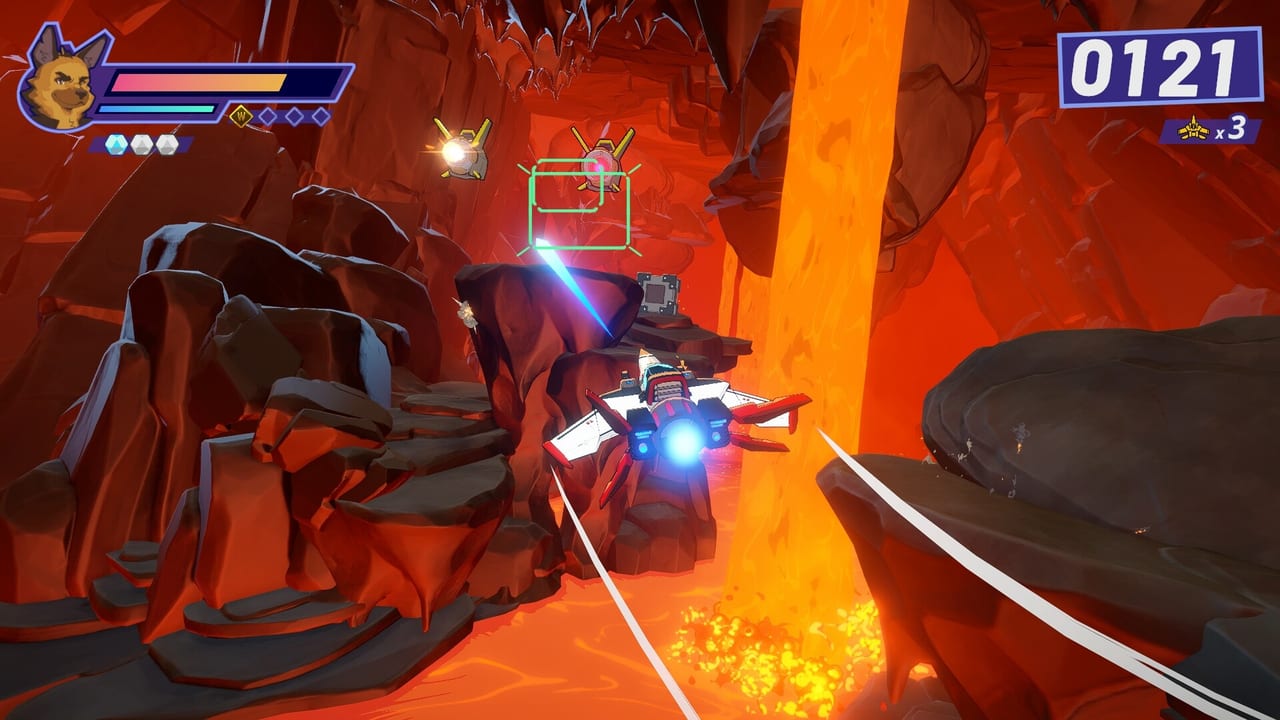
The Wild Blue Skies campaign is built for clarity first and depth second. Each mission rides a scripted camera rail through combat arenas, story beats, and optional detours that reward observant pilots. Balor Games’ August 13, 2026 launch packages this structure across Steam, PlayStation 5, and Xbox Series X|S, with Nintendo Switch following in fall 2026. Whether you sample the Steam demo or watch preview footage, the same design pillars appear: on-rails pacing, Blue Bombers squad interplay, Grimclaw faction escalation, and branches that encourage second passes without mandatory grinding.
This overview explains how missions likely flow, how branching interacts with scoring, and how to plan replays using other wiki pages.
Core loop: rail, fight, choose, debrief
A typical mission cycle observed in previews follows four beats:
- Briefing or in-rail setup introducing objectives and wingman roles.
- Primary rail combat against turrets, drones, and transports tied to the biome.
- Choice moments—rival dogfight bubbles, side canyon openings, or wingman pursuit lines.
- Extraction or boss-like climax with grade screens referencing score, time, and damage.
That loop keeps sessions arcade-short while leaving hooks for mastery. First-time players can stay on the objective rail; veterans deviate for Hidden Missions and Medal Guide tiers.
Story spine without spoilers
Demo narration establishes Grimclaw as a former Cloudcutter engineer turned warmonger, forcing Bowie Stray and wingmen to fly machines born from the antagonist’s legacy. Missions escalate from localized incursions to biome-spanning pushes, with rival squadrons acting as Grimclaw’s elite messengers.
Story delivery stays combat-adjacent: radio chatter, environmental props, and enemy silhouettes rather than long non-interactive scenes. Lore depth lives on Characters Hub pages if you want callsign relationships before flying.
Branching paths explained
Branching is not a separate mode—it is embedded in the rail. Common trigger types include:
| Trigger | What to watch | Likely reward |
|---|---|---|
| Skybox shift + rival callout | Optional dogfight arena | Medals, score spikes |
| Wingman breakaway | Side tunnel or upper canyon | Hidden stage access |
| Clean formation segment | Silent path split ahead | Shortcut with extra targets |
| High grade on prior stage | Briefing flag or auto-route | Secret mission chain |
Branches often do not announce themselves with UI pop-ups. Audio cues and wingman lines are the reliable tells. Missing a branch usually still completes the mission, which is friendly for story runs but punishing for completionists who forget replays.
Demo scope vs full campaign
The Steam demo (app ID 1921490) covers early missions with tutorial undertones: formation flying, basic targeting, and at least one branch or rival encounter suitable for practice. It is the best pre-launch tool for learning trigger timing—see Demo and Wishlist for install steps.
The full campaign adds biomes and difficulty layers documented in Environments. Expect later missions to combine multiple trigger types in one sortie—for example, a desert ridge dogfight immediately before a cave compression segment.
Mission planning for medal hunters
Use a three-pass mental model:
Pass 1 — Route learning: Finish each stage on the standard path with Wingmen alive. Ignore gold requirements.
Pass 2 — Branch collection: Replay with Hidden Missions notes open. Prioritize wingman cues and rival arenas.
Pass 3 — Grade polish: Apply Score System chains, Ace Tips target priority, and Medal Checklist tracking.
This order prevents frustration from chasing perfect scores before you know where branches hide.
Difficulty and accessibility notes
Wild Blue Skies targets arcade accessibility: full controller support, readable enemy telegraphs, and Ghibli-inspired clarity in busy scenes. Difficulty spikes appear more from route knowledge than from opaque mechanics. Controls Cheatsheet helps pad players maintain centerline discipline on sharper rails.
PC players should confirm hardware against System Requirements or the Specs Checker before assuming smooth frame pacing during dense dogfights.
Cross-links for campaign mastery
- Biome specifics: Environments
- Antagonist context: Grimclaw and Rivals
- Scoring math: Score System
- Critical reception: Preview Overview
- Platform timing: Release Platforms
Post-launch updates
Mission count, chapter names, and exact branch matrices may shift slightly before or after launch. This overview stays aligned with wiki facts and demo observations; update replans if patches add missions or retune triggers.
Wild Blue Skies respects your time with short missions and respects your skill with layered branches. Learn the spine here, then let biome guides and hidden mission notes fill in the map.
Frequently Asked Questions
Quick answers drawn from demo feedback and official details.
How long are missions in Wild Blue Skies?
Preview footage suggests arcade-length stages suited to quick sessions, with replay value coming from branches and medals rather than extreme duration.
Can I replay missions for better grades?
Yes. Branching paths, medals, and scoring systems are built for repeated runs on the same missions.
Does the demo represent the full campaign?
The demo covers early missions only. Full biomes, rival escalation, and hidden content arrive in the August 13, 2026 release.