Wild Blue Skies The Blue Bombers
Cloudcutter squad, formation flying, and mission identity
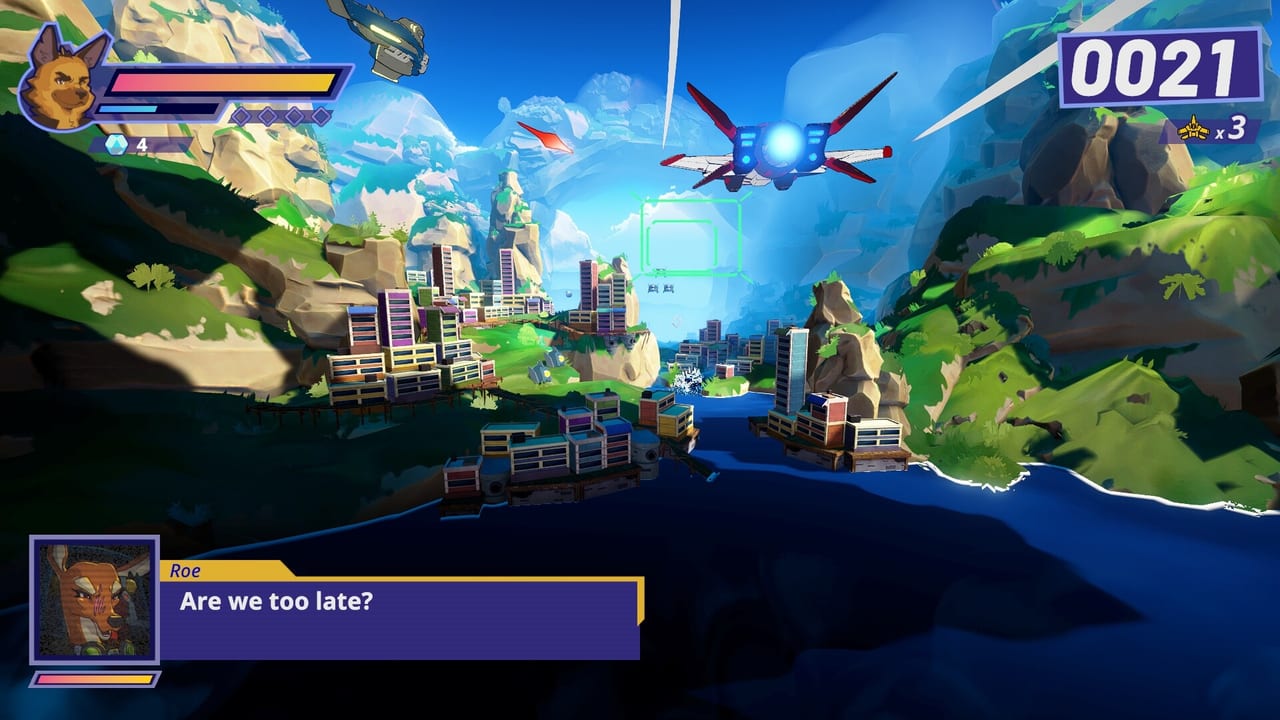
The Blue Bombers are the heart of Wild Blue Skies—a four-pilot Cloudcutter squad that Chuhai Labs and VITEI BACKROOM use to sell both the anime-inspired charm and the Star Fox-style on-rails action. Published by Balor Games, the title puts you in the cockpit as Bowie Stray while Thorne, Chuck, and Roe fly support. Their unit badge, color palette, and radio chatter show up in demo missions, preview trailers, and Steam store art, making the Blue Bombers the default identity for anyone learning the game before its August 13, 2026 launch.
This guide explains who belongs to the squad, how they are presented in early missions, and why understanding the Blue Bombers matters for scoring, branching paths, and hidden objectives. If you want a pilot-by-pilot deep dive, pair this page with Bowie Stray and Wingmen.
Squad roster at a glance
| Callsign | Role | Notes from preview materials |
|---|---|---|
| Bowie Stray | Player character / flight lead | Rookie energy, central to demo narration |
| Thorne | Wingman | Often shown in tight formation breaks |
| Chuck | Wingman | Banter-heavy radio presence in previews |
| Roe | Wingman | Appears in multi-ship attack runs |
The table reflects confirmed names from publisher listings and demo dialogue. Titles like “flight lead” are descriptive for wiki navigation, not necessarily in-game rank strings.
Cloudcutters as the squad’s signature ship
Blue Bombers fly Cloudcutters, sleek aircraft with a Ghibli-influenced silhouette and bright contrails that read clearly during on-rails segments. Designer Giles Goddard’s Star Fox lineage shows up in how the camera tracks the formation: the lead ship banks through ocean canyons while wingmen mirror rolls for cinematic effect. Cloudcutters are not interchangeable fighters in preview footage—each pilot’s ship has subtle color accents that help you spot who is under fire during hectic dogfights.
Knowing Cloudcutter handling basics helps you keep the squad together. Tight formation moments often precede scripted wingman assists, while loose formation segments signal upcoming branch points documented in Campaign Overview. If you struggle to identify who is where, check Controls Cheatsheet for camera and targeting habits that make wingmen easier to track.
How the Blue Bombers are introduced
Demo opening missions establish the Blue Bombers as a professional but still cohesive team responding to escalating incursions. Early objectives are training-flavored—intercept drones, escort convoys, survive rival passes—before Grimclaw’s forces push the squad into harsher Environments like desert ridges and cave networks. Radio exchanges hint at shared history: trust in Bowie’s lead, gentle ribbing between wingmen, and unease when enemy tech resembles Cloudcutter engineering.
That setup matters because later Hidden Missions appear to reward players who notice wingman distress calls or optional escort windows. Missing a wingman’s cue can lock you out of a secret stage even if your score is high. Review Medal Guide for examples where squad integrity feeds ribbon requirements.
Formation tactics for score runners
Arcade shooters live or die on multiplier management. The Blue Bombers’ formation flying is not purely cosmetic: staying centered during rail segments often preserves chain bonuses, while breaking off to chase rivals trades safety for medal progress. A practical approach on first clears:
- Learn the rail first—complete Campaign Overview routes without chasing every optional target.
- Assign mental roles—note which wingman draws fire in each biome using Environments notes.
- Add rival dogfights once you can finish stages with most wingmen intact.
- Layer hidden branches using Hidden Missions checklists.
Wingmen survival may influence end-of-mission grades even when you personally avoid damage. Treat Thorne, Chuck, and Roe as living score modifiers rather than cutscene extras.
Relationship to Grimclaw and rival squadrons
Grimclaw’s betrayal hits harder because he helped design the Cloudcutters the Blue Bombers still fly. Demo narration frames him as a former chief engineer turned warmonger, which explains why rival squadrons deploy familiar hull shapes and stolen tech variants. When you encounter those enemies, read Grimclaw and Rivals alongside this page to connect faces to factions.
Rival dogfights pit the Blue Bombers against elite units that mirror their flair. Winning those encounters cleanly is a common requirement for gold medals and secret routes. Ace Tips covers timing breaks and when to prioritize rivals over ground targets.
Before you launch day one
Wild Blue Skies releases at approximately $14.99 USD on Steam, PlayStation 5, and Xbox Series X|S, with Nintendo Switch planned for fall 2026. A Steam demo is available under app ID 1921490 if you want to fly as Bowie before release. Full controller support makes formation flying comfortable on pad-first setups; see Release Platforms for store links and Demo and Wishlist for pre-launch steps.
Whether you are a lore reader or a medal hunter, the Blue Bombers are the constant across every wiki category. Start here, then branch to pilot profiles, campaign structure, and scoring tools without losing sight of the squad that defines Wild Blue Skies.
Frequently Asked Questions
Quick answers drawn from demo feedback and official details.
How many pilots are in the Blue Bombers?
Four named pilots: Bowie Stray plus wingmen Thorne, Chuck, and Roe. Bowie is the playable character in preview and demo content.
What ship does the squad fly?
The Blue Bombers fly Cloudcutters—anime-inspired aircraft designed with arcade readability and formation-friendly silhouettes.
Do wingmen affect medals or scoring?
Preview missions suggest wingman survival and assist triggers matter for branches and medals. See the Medal Guide for requirement patterns once you start chasing gold.