Wild Blue Skies Design Pillars
How constraints, camera, and cartoon visuals shape the flight feel
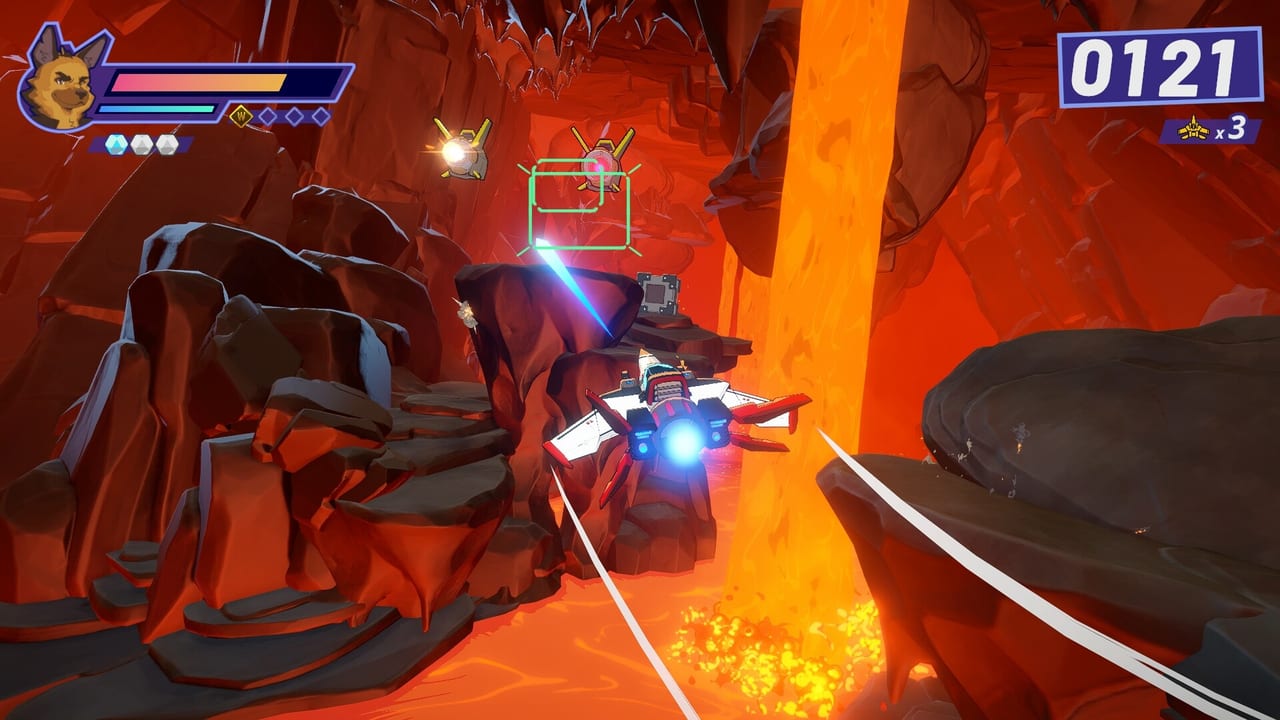
On August 7, 2026, game director Francis Pétrin and Chuhai Labs published an Xbox Wire diary explaining how Wild Blue Skies earned its 90s arcade cockpit feel. The piece is gold for wiki readers: it confirms design intent you can feel in the Steam demo and will feel again on August 13.
This page translates those pillars into player-facing advice—without turning into a press reprint.
Pillar 1 — Embrace limitations
The team shortened view distance after long-range visibility made enemies feel like they popped from nowhere. Closer fog and horizons force attention onto the wave in front of your Cloudcutter. Practical takeaway: stop scanning the infinite skybox; track mid-range silhouettes and listen for Wingman Calls.
Pillar 2 — Make the plane feel right
Camera framing, dithering on the fuselage, and control tuning exist so you fly with the ship instead of fighting occlusion. Read Cloudcutters for ship identity, then calibrate sticks in Controller Layout.
Mechanics are meant to teach in minutes and deepen for hours:
- Timed barrel rolls deflect fire aggressively, not only defensively.
- Boost and brake reshape encounter timing.
- Free-flight brake 180s punish tunnel vision—see Free Flight Tips.
Pillar 3 — World first, missions second
Environments and a high-level world map came before individual stages. Missions began as narrative pitches attached to biomes, then graybox pacing tests, then art and dialogue. That is why Environments feel like episodes and why Campaign Overview talks in loops instead of open-world checklists.
Pillar 4 — Saturday morning plus Ghibli
Cel-shaded heroes and ships pop against painterly backgrounds. UI stays simple so information arrives at a glance. The emotional target is 90s action movie energy mixed with animated-film warmth—context for Preview Overview and Voice Cast performances.
Pillar 5 — Squad as storytelling engine
Bowie, Thorne, Chuck, and Roe were designed as instantly familiar personalities with original identities. Banter is not cutscene filler; it is routing and combat telemetry. Combine with Blue Bombers lore pages.
What this means for medal hunters
If the game feels easy to start and hard to master, that is intentional. Gold grades live in the skill ceiling: chain discipline (Score System), branch literacy (Branching Paths), and restraint with bombs during readable telegraphs (Beat Bosses).
Leadership context
Studio director Giles Goddard brings deep on-rails history; the diary frames the team as fans first. Publishing partner Balor Games ships the $14.99 package across Steam, Xbox, PlayStation, and later Switch. Play Anywhere on Xbox and PC is part of that modern convenience layer (Xbox Play Anywhere).
How to use this page
- Before arguing the fog is too close, remember it is a chosen arcade lens.
- Before lowering difficulty for camera complaints, retune sensitivity.
- Before calling banter useless, run a sortie with voices prioritized.
- Before launch, run Launch Checklist.
Connecting pillars to wiki tools
| Pillar feeling | Wiki response |
|---|---|
| Fog / short view | Trust mid-range threats; practice Wingman Calls |
| Plane dither / framing | Read Cloudcutters and retune sticks |
| Episode pacing | Follow Campaign Overview loops |
| Cartoon energy | Sample Voice Cast with voices up |
| Skill ceiling itch | Push Medal Guide after story comfort |
Design pillars are not lore trivia—they are the instruction manual hiding in plain sight. Fly with the constraints, and Wild Blue Skies stops feeling mysteriously awkward and starts feeling authored.
Frequently Asked Questions
Quick answers drawn from demo feedback and official details.
Why is view distance short in Wild Blue Skies?
Developers shortened it so enemies feel natural and attention stays on immediate threats, matching classic arcade pacing.
Who directed Wild Blue Skies?
Francis Pétrin is credited as game director in the Xbox Wire diary; Giles Goddard is studio director.
Is the Ghibli comparison official?
The team cites classic Japanese animated films, particularly Studio Ghibli painterly backgrounds, as visual inspiration alongside cel-shaded heroes.