Beat Bosses in Wild Blue Skies
Grimclaw set pieces, rival aces, and phase-by-phase survival
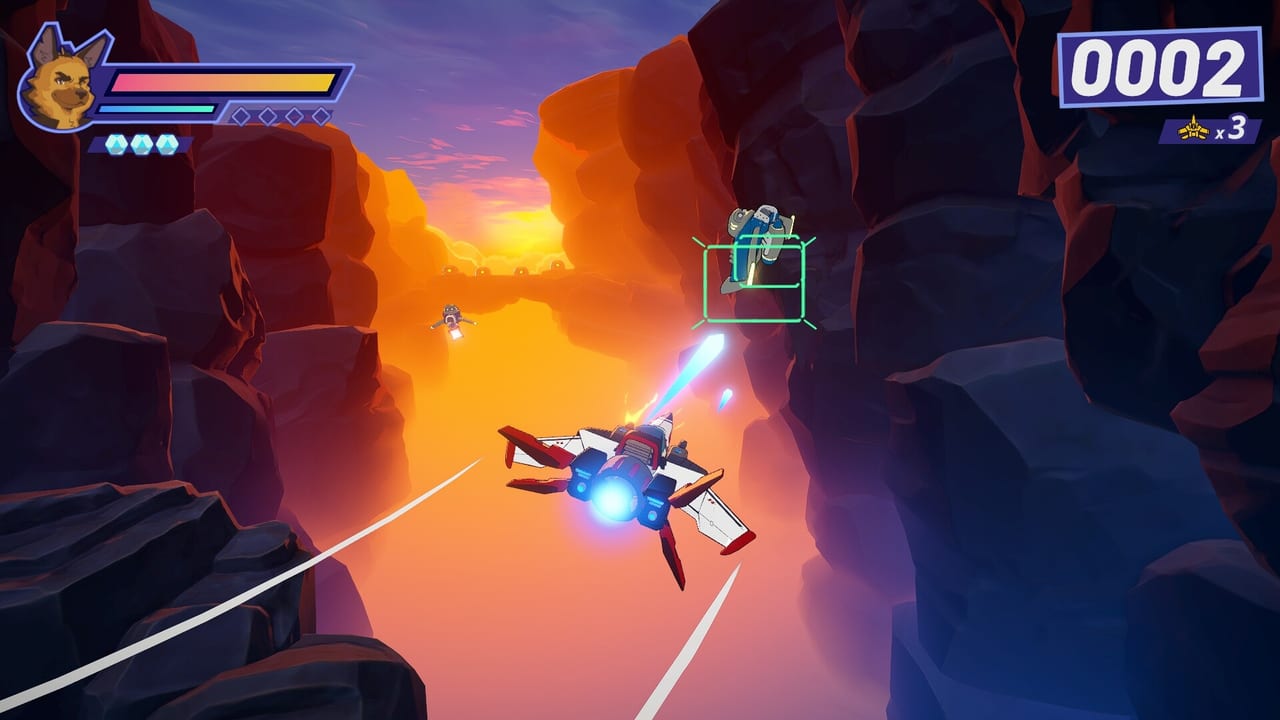
Boss fights cap many Wild Blue Skies missions with large war machines, fortress turrets, and rival squad duels tied to Grimclaw’s campaign. Chuhai Labs and VITEI BACKROOM treat these as on-rails set pieces: the camera locks into arena splines while patterns telegraph through animation, audio stingers, and squad warnings from Bowie, Thorne, Chuck, and Roe. You win by combining charge shot discipline, laser burst rhythm, bombs, barrel rolls, and boost/brake positioning—not by free-flying circles around a arena.
This boss guide outlines repeatable strategies using preview-confirmed mechanics without inventing fake boss names or post-launch balance patches. Pair it with Combat Moves, Score and Medals for rank goals, and Campaign for mission order context.
Boss fight structure on-rails
Wild Blue Skies boss segments typically follow four beats:
- Arena entry — rail speed drops, music shifts, UI may highlight weak-point icons.
- Add phase — fighters or turrets spawn; rival aces may strafe alongside.
- Main pattern — telegraphed sweeps, claw lasers, or missile curtains requiring tilt and barrel rolls.
- Weak-point window — charge shot priority moment; laser maintains chip damage if bursts stay rhythmic.
You cannot orbit freely. Success means reading tells within lane constraints and saving resources from earlier branch choices documented in Branching Paths.
Universal boss toolkit
Charge shot — save for armored plates, exposed cores, and rival squad shield breaks. Holding charge during camera pans is valid; releasing during invulnerability wastes damage.
Laser bursts — maintain steady three-round cadence between big patterns. Mashing lowers DPS exactly when bosses extend vulnerable windows. Consider auto-fire toggles from Settings and Auto-Fire if your hands fatigue.
Bombs — clear add waves that block sightlines or interrupt charge buildup. Entering boss arenas with zero bombs is a common demo fail state—see Demo Tips.
Barrel roll — double-tap bumpers through dense projectile curtains with fixed timing. Rolls do not replace reading patterns; they buy seconds to reposition tilt.
Boost / brake — some boss rails require micro-speed adjustments to keep reticle aligned with moving weak points. Treat speed as aim assist, not showboating.
Grimclaw-aligned war machines
Grimclaw anchors the antagonist role; boss-scale weapons carry his visual language in preview footage—heavy claws, industrial plating, crimson warning lights. Patterns emphasize wide sweeps followed by narrow safe lanes:
- During sweeps, tilt into safe zones near lane edges; centerline players eat avoidable damage.
- During narrow windows, stack charge release with laser taps—never sacrifice burst rhythm for panic mashing.
- When adds spawn, bomb once to reopen charge channels, then focus boss weak icons prioritized by UI.
Medal hunters should note damage taken during these phases; no-damage ribbons from Score and Medals often fail here first.
Rival squad duels
Rival aces mirror arcade duel fantasy: agile craft that flank your rail, break off, and re-enter with trailing shots. Mechanics observed in previews:
- Duels trigger on specific branches—route choice matters before the fight starts.
- Rivals telegraph shield drops with color shifts; charge shot finishes shields, laser cleans up exposed hull.
- Barrel rolls negate tailing shot strings if timed to rival pass-by frames.
Losing duels rarely hard-fails missions but may lock medals or secret continuations. Replay branches where Roe or Thorne warn about “hostile ace vector inbound.”
Branch and secret interactions
Some boss arenas load different intro patterns depending on which branch you chose—exterior paths may skip add phases but start with harder opening sweeps. Secrets that shortcut trash waves can dump you into boss phases under-pickup; carry health or score buffer expectations from Secret Paths.
Phase management checklist
Before each boss attempt:
- Confirm laser and charge bindings via pause diagram (Controller Layout).
- Enter with at least one bomb unless ribbon hunting forbids it.
- Listen for squad callouts marking phase transitions.
- Assign barrel rolls to specific telegraphs, not random panic.
- Debrief honestly—note whether failure was resource, rhythm, or route issue.
Platform and demo practice
Steam demo boss segments teach pattern vocabulary before the August 13, 2026 full release on Steam, PS5, and Xbox Series at ~$14.99. Nintendo Switch players in fall 2026 should expect similar pattern timing; verify trigger feel for brake micro-adjustments.
Cross-check platform performance notes on Platforms if frame pacing affects your roll timing perception.
Scoring and campaign ties
Boss efficiency feeds medals and broader Scoring leaderboards. Campaign progression may gate missions behind story clears regardless of rank—medals remain optional mastery for arcade fans.
Use Tools boss phase timelines when community exports appear; until then, record personal tell notes after each wipe.
Mental approach
Wild Blue Skies bosses look cinematic but play fair. Patterns loop, tells glow, and the Blue Bombers shout hints. Grimclaw wins when you revert to Star Fox habits—one button for everything, boost always held, bombs spent on trash. Separate inputs, read phases, and the rail becomes a stage you conquer rather than a ride you survive.
Frequently Asked Questions
Quick answers drawn from demo feedback and official details.
How do I damage boss weak points in Wild Blue Skies?
Use charge shot during telegraphed weak-point windows and maintain laser burst rhythm for chip damage. Bombs clear adds that block your line of fire.
When should I barrel roll during boss fights?
Double-tap a bumper during dense projectile patterns with fixed timing. Barrel rolls provide brief invulnerability but do not replace reading safe lanes via tilt.
Do rival squad fights count as bosses?
Rival aces act as elite duel encounters with shield phases and medal impact. They often appear on specific branches before larger Grimclaw-aligned set pieces.