Wild Blue Skies Campaign Environments
Oceans, desert ridges, caves, and biome-specific tactics
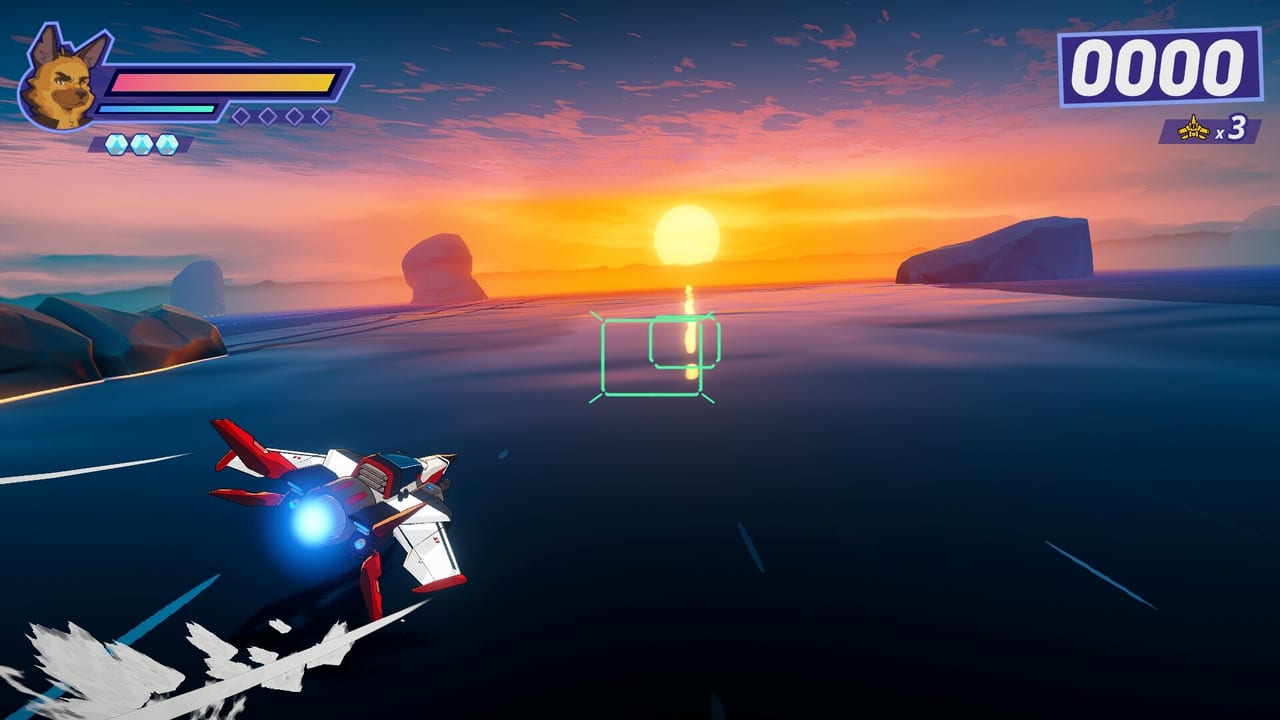
Wild Blue Skies rotates its on-rails campaign through three standout biomes—open oceans, sun-scorched desert ridges, and claustrophobic cave networks—each changing enemy mix, camera stress, and the habits that keep Blue Bombers wingmen alive. Chuhai Labs and VITEI BACKROOM lean on Ghibli-inspired readability so busy scenes still parse at arcade speed, but biome literacy separates clean medal runs from accidental multiplier crashes.
This guide breaks down every major environment type, linking biome tactics to Campaign Overview routing and Grimclaw faction encounters.
Why biomes matter for routing
On-rails design means you cannot freely explore, yet biome shifts still change priorities. Ocean stages reward tracking and lead time; deserts punish wide drifts with ridge collisions; caves demand snap targeting in compressed space. Bowie Stray always flies the same Cloudcutter, but your input rhythm should change when the skybox swaps.
Medal requirements often assume biome-aware play—no civilian damage over ports, no wingman mayday in caves, flawless rival rounds above deserts. Cross-check Medal Guide when a grade seems unfair; you may be fighting the biome with the wrong habits.
Ocean missions
Ocean biomes showcase Wild Blue Skies at its most cinematic: long sightlines, carrier battle groups, sea-skimming drones, and contrails reflected on water. Rails frequently follow coastline curves, giving you early vision of turret clusters on cliffs or offshore platforms.
Tactical notes:
- Lead targets early—missiles and lock-ons travel farther over open water, so lazy tracking drops chains.
- Watch vertical spawns—naval fighters sometimes dive from cloud cover, a common rival dogfight setup.
- Protect escorts—convoy missions appear in previews; wingmen like Thorne may intercept sea-level threats if you hold formation.
Ocean stages are ideal first-pass learning zones. Use them to practice Controls Cheatsheet centerline habits before sharper biomes.
Desert ridge missions
Desert ridges trade openness for heat haze, sandstone color palettes, and aggressive banking rails that hug terrain. Ground batteries hide behind rock fins, and rival squadrons use ridge lines for hit-and-run passes—fitting Grimclaw and Rivals fantasy of scavenged forward bases.
Tactical notes:
- Micro-corrections beat wide swings—oversteering causes collision damage that silently kills medal tiers.
- Prioritize ridge-top AA before chasing low fighters; turrets downwingmen during dogfight bubbles.
- Listen for wind cues in audio mixes; previews use rising sound before sharp drops into canyons.
Desert missions often hide branch openings along side canyons. If a wingman calls a break near a painted rock formation, consider pursuing—see Hidden Missions for branch patterns tied to ridge stages.
Cave missions
Cave biomes compress Wild Blue Skies into low-ceiling tunnels, glowing fungal or crystal lighting, and ambush spawn points around blind corners. Camera rails sit closer to walls, so targets appear fast and leave fast.
Tactical notes:
- Snap acquisition matters more than sustained tracking—use brief lock windows.
- Avoid tunnel edges; collision damage is the silent medal killer here.
- Clear drones first in swarms; cave acoustics sometimes mask smaller threats behind larger props.
Wingmen struggle more in caves when they clip geometry. Help Wingmen by staying centerline and finishing elites quickly so AI allies do not pursue targets into walls.
Biome comparison table
| Biome | Visibility | Primary threat | Medal risk |
|---|---|---|---|
| Ocean | High | Distant AA, carriers | Escort damage, lazy tracking |
| Desert ridge | Medium | Ridge turrets, rivals | Collision, missed branches |
| Cave | Low | Ambush drones | Wingman geometry, time loss |
Use the table when planning replay order: master oceans, then deserts, then caves before unified gold attempts.
Environmental storytelling and Grimclaw tech
Biomes also carry narrative: ocean platforms show naval supply lines, deserts hide improvised Grimclaw depots, caves store experimental drone bays with Cloudcutter-like parts. Recognizing props helps you predict enemy types before they fire—especially stolen-hull variants described on Grimclaw and Rivals.
Scoring and biome-specific chains
Score System multipliers reward uninterrupted chains. Caves shorten reaction windows, so consider slightly slower, accurate shots rather than wild spray. Oceans allow aggressive chaining on distant wings if you maintain line of sight. Deserts sit in the middle—burst elites during brief straightaways.
Ace Tips includes biome-specific priority rules; pair that page with this one before marathon medal sessions.
Demo and launch expectations
The Steam demo samples a subset of biomes; full rotation arrives with the August 13, 2026 launch on Steam, PS5, and Xbox Series at ~$14.99, Switch fall 2026. Verify platform performance in dense cave scenes via Release Platforms and System Requirements.
Biomes are Wild Blue Skies’ way of teaching the same Cloudcutter different languages. Learn each dialect and the campaign stops feeling like one long corridor with new skins.
Frequently Asked Questions
Quick answers drawn from demo feedback and official details.
What environments are in Wild Blue Skies?
Major biomes include ocean sorties, desert ridge battles, and cave missions, each with distinct enemy mixes and camera rails.
Which biome is hardest for medals?
Caves compress reaction time and increase collision risk, making them common pain points for gold requirements. Desert ridges are a close second due to branch timing.
Do biomes affect wingmen AI?
Wingmen use the same logic, but tight caves make them more likely to clip terrain if you drift wide. Hold centerline to keep allies safe.